wavy line banner

INCLUSIVITY & INTEGRATION

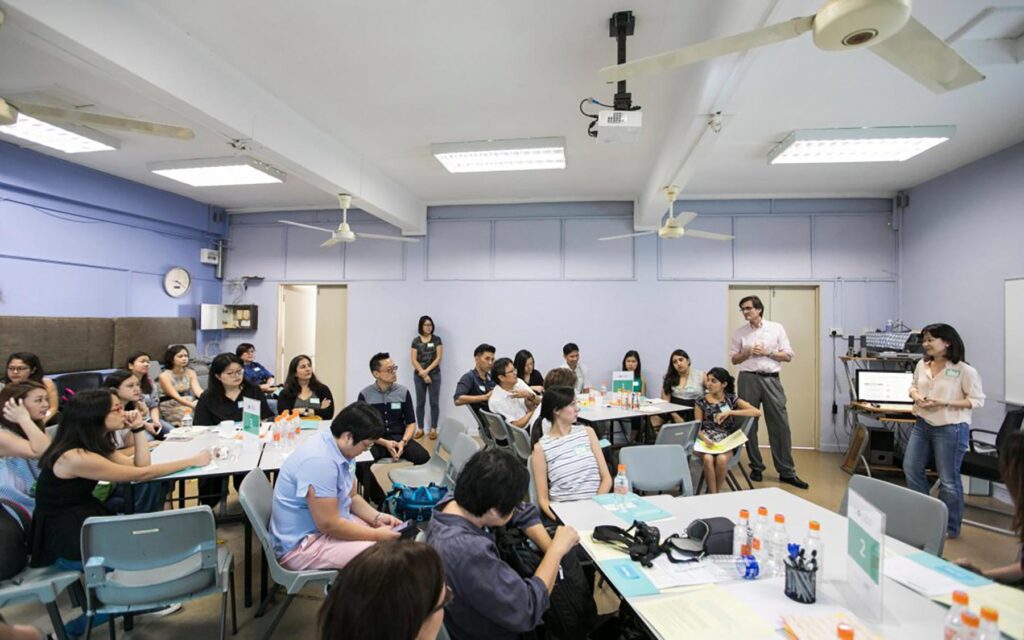
a group of people sitting around tables

Colabs: doing more for persons with disabilities

As persons with disabilities reach age 18 and exit the school system, they face new life challenges, including living their desired life and gaining access to care and support. With a keen eye on identifying opportunities to improve the lives of these individuals, we kicked off the Colabs Disability series which focused on engagement pathways and employment through catalysing cross-sector collaboration.As part of the series, participants were recently invited to the MINDS’ Idea Employment Development Centre to understand what a sheltered employment workshop in Singapore would look like. Made up of a diverse group, including social enterprises, corporates, philanthropic institutions, government agencies and non-profits, the group bonded over a common desire to learn and do more for persons with disabilities.

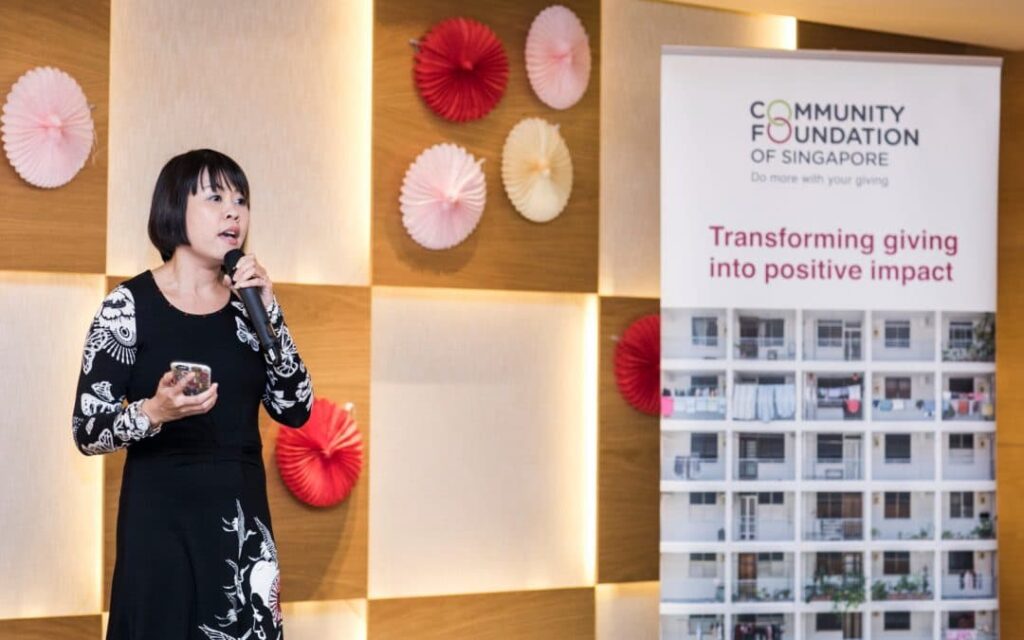
a person holding a mic speaking

Making collaboration a reality

Collaboration for social change has been a hot topic of late. Collaboration’s appeal is apparent in a world beset by complex and evolving social issues — alone we can only do so much, but work together, and look at the change we can achieve.In the same vein, Colabs, a philanthropic initiative by the Community Foundation of Singapore (CFS) and National Volunteer and Philanthropy Centre (NVPC), drives collaboration by bringing together the public, private and social sectors to tackle complex social issues. In particular, Colabs aims to empower givers to discover the roles they can play alongside existing efforts by government and non-profits.

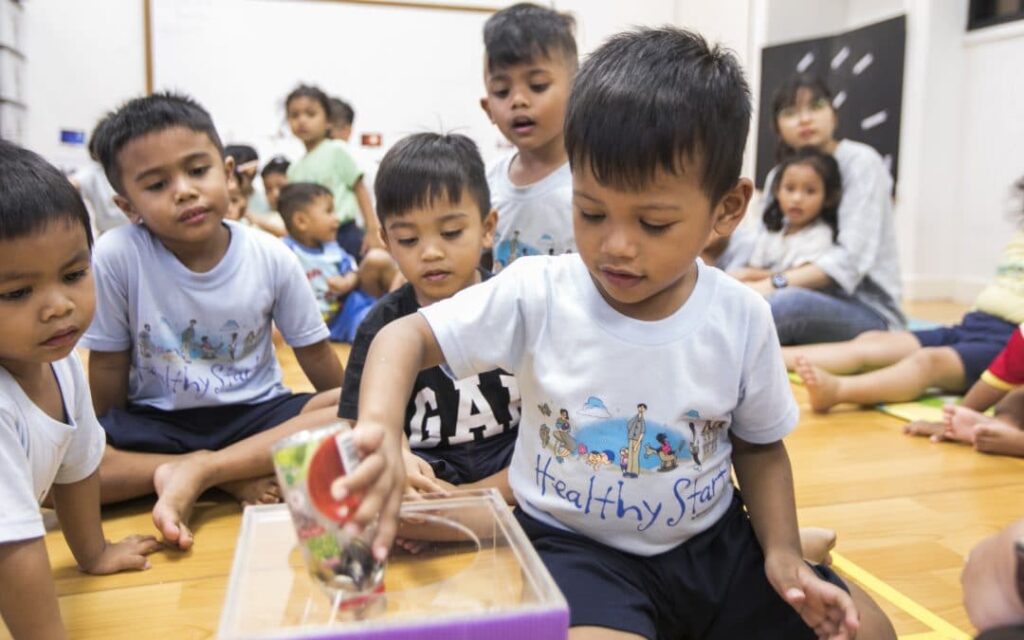
a group of kids playing

The Tabung Project – Saving together for a better future

Launched in 2013, the Tabung Project is a simple yet inventive micro-savings programme by the Healthy Start Child Development Centre (HSCDC), a childcare centre by Beyond Social Services serving children from disadvantaged backgrounds.With generous support from a donor through the Community Foundation of Singapore (CFS), families who take part in the Tabung Project are encouraged to save in an innovative way. The idea is simple: every child brings home a tabung (“savings bank” in Malay) where family members and even the child are encouraged to contribute. Each month, Tabung Counting Days are conducted, and each child’s savings is then poured into a community savings pool.

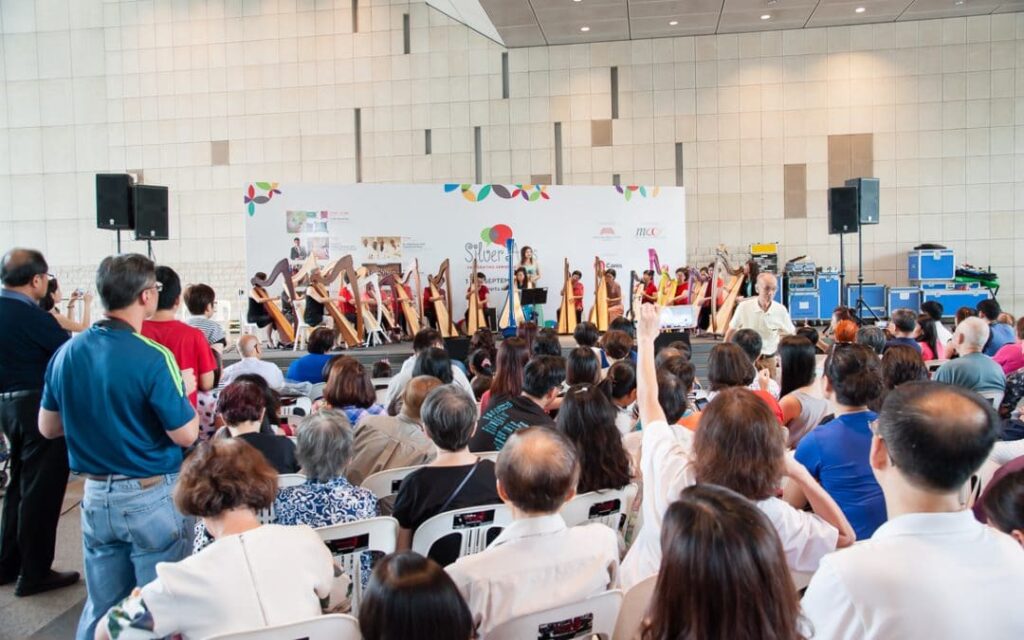
a group of people in a room with a stage and a group of people in chairs

Four ways to give back through the arts

To put things into perspective: giving to the arts means more than just supporting a company’s artistic endeavours – support for the arts helps build a more inclusive society and brings benefits to the community in many ways.Many of Singapore’s artists, art companies and institutions are passionate about social causes, and make it part of their mission to give back through the work they do. These efforts often go beyond cultivating art appreciation, to include efforts to reach out to the less privileged, nurture the young and bring the joy of the arts to a wider audience.

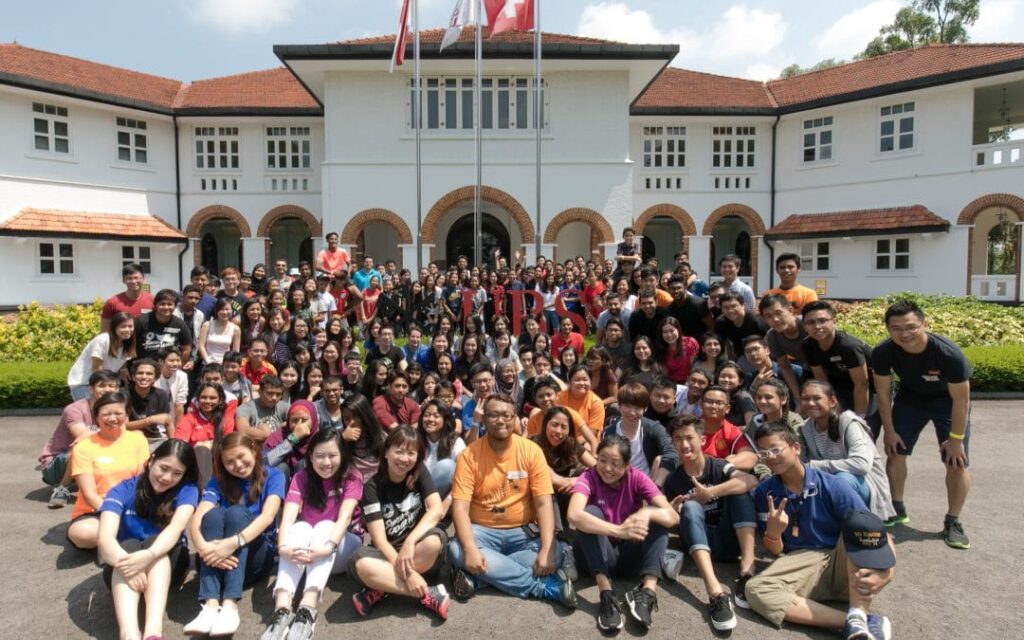
a group of youths posing for a photo

LEAD Academy – Empowering youths to lead and influence

The LEAD Academy was set up in 2014 as a collaboration between CampVision, UBS Singapore and the Community Foundation of Singapore (CFS) to impact marginalised youths in neighbourhood schools.LEAD provides a platform that partners youths with professional volunteers to develop self-leadership abilities and cultivate effective communication skills. The aim is to empower youths to be an effective leader of their peers and a positive influence on others. This unique programme puts youths on a shared journey of equals guided by executive leadership coaches who create an engaging and transformational learning experience for them and their mentors.

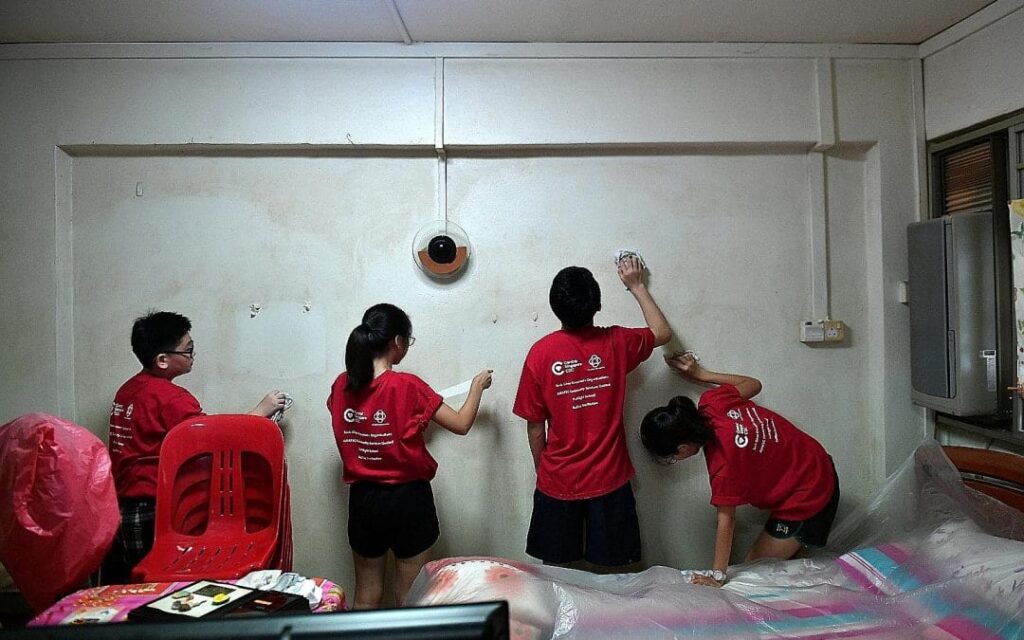
four teenagers helping to clean a dirty wall

The Straits Times: The ST Guide To… giving to charity

For those with fatter wallets and who hope to create a greater impact with their gift, they can even consider setting up a charitable fund to give to causes close to their hearts.For example, the Community Foundation of Singapore (CFS), a non-profit group, helps donors find a more structured and sustainable way of giving by providing advice and managing their charitable fund.

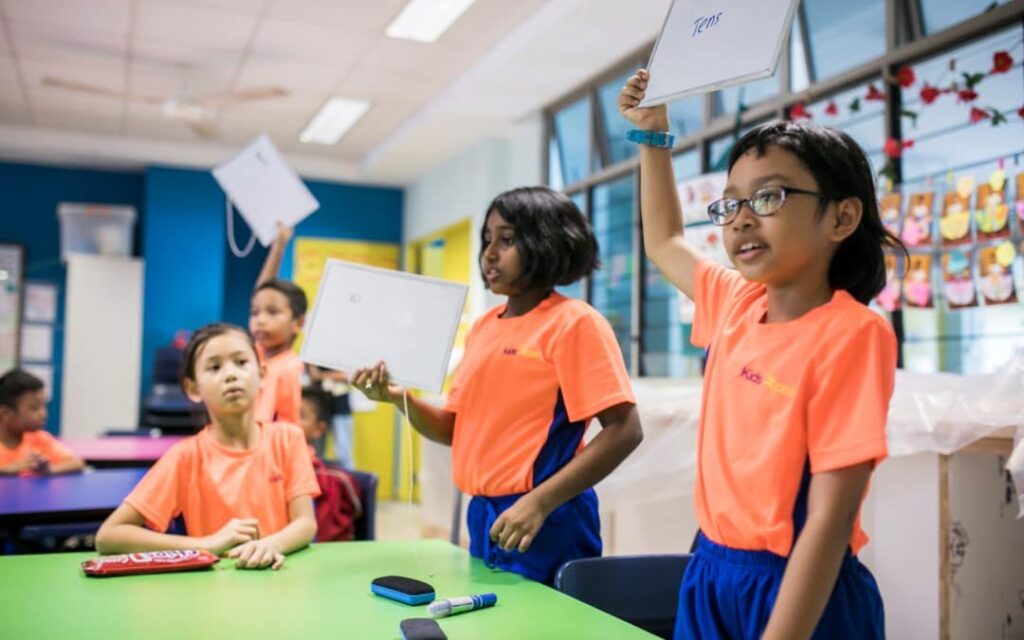
a group of children in a classroom

KidsExcel – Leaving no child behind

At a time when after school tuition and enrichment programmes have become the new norm, children from less affluent backgrounds are increasingly disadvantaged by their inability to afford these lessons. This creates an educational landscape that places each child at different starting points by virtue of their socio-economic backgrounds.KidsExcel is a values-driven, academic and sports enrichment programme that aims to support schools and parents in providing a holistic education for kids. Its mission is to provide a holistic, well-rounded programme that develops healthy minds, healthy bodies and strong character, using sports and academic enrichment to nurture the physical, intellectual and social skills of children.

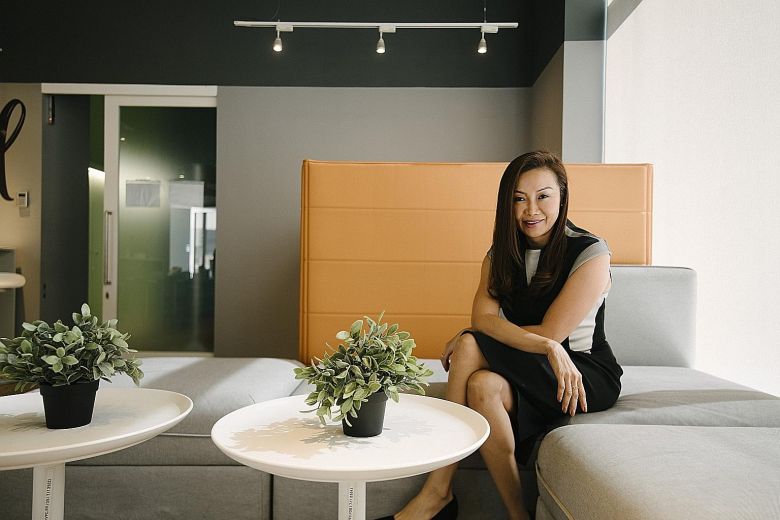
picture of CFS CEO Catherine Loh sitting on a chair

The Peak Singapore: How responsible businesses can make their philanthropic dollars travel further

While more companies are heeding the call to give back to the community, selecting a worthy cause and monitoring the use of donations may be a complex task. That’s where the Community Foundation of Singapore (CFS) comes in. It helps corporations develop a long-term philanthropy strategy, find suitable charity partners, and track the outcome of donations.“We help donors go beyond what they can do on their own, and identify charity partners who can provide accountability,” says Catherine Loh, CEO of CFS.

people sitting in groups to discuss

The Business Times: Collective action to meet community needs sustainably

As companies today find themselves caught between the dilemma of limited resources and the compelling desire to create social impact, it is increasingly apparent that the key lies in collective solutions.Challenges facing our society are ever-changing and usually stem from multiple root causes. Therefore, systemic solutions for such issues need collective knowledge, resources and will.

Scroll to Top